
Moving Into a Historic Home: Preservation and Restoration Tips
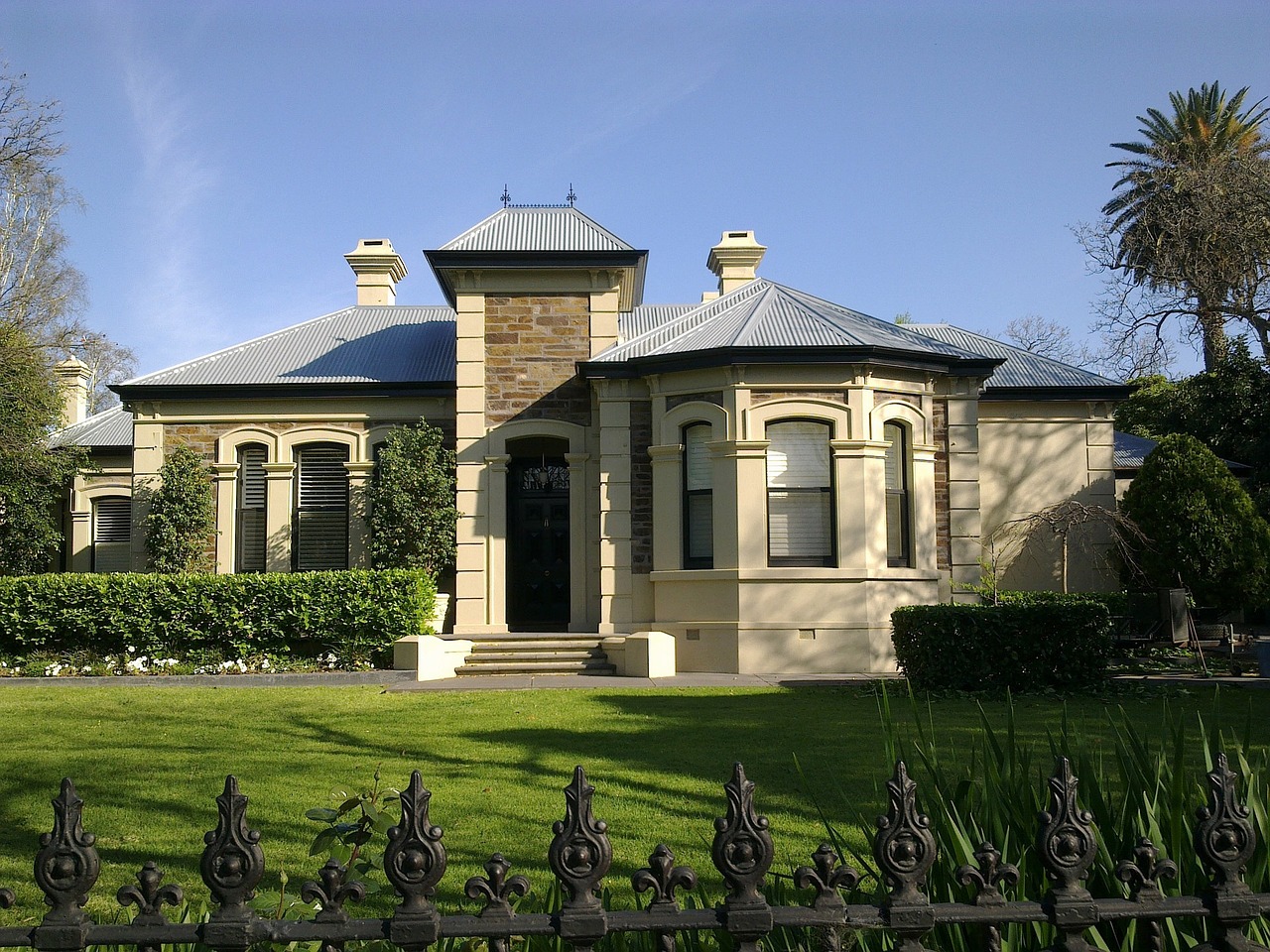
Moving into a historic home is a unique and exciting opportunity to embrace the charm, character, and architectural heritage of the past. When you work with appliance movers atlanta and other professionals, you can be sure to get your belongings safely to your new home. However, with historical homes come preservation and restoration challenges that require careful consideration and planning. Discover essential tips and strategies for preserving and restoring a historic home while maintaining its authenticity and character.
Research the Home’s History
 Start by researching the history of your historic home to gain insight into its architectural style, original features, and previous renovations or modifications. Consult historical records, property archives, and local historical societies to uncover information about the home’s construction, original owners, and significant events that may have shaped its history.
Understanding the home’s past can inform preservation efforts and guide restoration decisions to honor its heritage.
Identify Architectural Features and Period Details
Take inventory of the architectural features and period details that define the character and charm of your historic home. This may include elements such as original hardwood floors, crown molding, decorative trim, stained glass windows, or vintage fixtures. Prioritize the preservation and restoration of these features to maintain the authenticity and integrity of the home’s design.
Respect the Original Design and Materials
When undertaking restoration projects in a historic home, strive to respect the original design intent and materials used in construction. Avoid making irreversible alterations or modifications that compromise the home’s architectural integrity or historical significance. Whenever possible, preserve and repair original materials such as woodwork, plaster, and masonry rather than replacing them with modern alternatives.
Work with Preservation Professionals
Consult with preservation professionals, such as architects, historic preservationists, and conservation experts, who specialize in restoring historic homes. These professionals can provide valuable guidance, expertise, and recommendations for preservation techniques, materials, and methods that adhere to best practices and preservation standards. Collaborating with preservation professionals ensures that restoration efforts are carried out sensitively and in accordance with historic preservation principles.
Obtain Necessary Permits and Approvals
Before beginning any repair or remodeling efforts, become familiar with the local building laws, zoning restrictions, and preservation requirements that apply to historic homes. Obtain the necessary permissions and approvals from local authorities or historic preservation boards to ensure regulatory compliance and safeguard the home’s historical integrity. Failure to obtain permits or approvals for alterations to historic structures may result in fines or legal repercussions.
Consider Energy Efficiency Upgrades
While preserving the historic character of your home is paramount, consider incorporating energy-efficient upgrades that improve comfort and reduce utility costs without compromising its architectural integrity. Explore options such as installing insulation, upgrading windows with historically accurate replicas, and retrofitting HVAC systems with energy-efficient models designed for historic properties. Work with preservation professionals to identify energy-efficient solutions that align with preservation goals.
Preserve Landscaping and Surroundings
In addition to preserving the home’s interior and architectural features, pay attention to preserving the surrounding landscape and outdoor spaces. Maintain mature trees, historic gardens, and original landscaping elements that contribute to the overall character and ambiance of the property. Consider consulting with landscape architects or garden historians to develop a preservation plan that respects the historical context and cultural significance of the outdoor environment.
Document and Document
Document the process of preserving and restoring your historic home through photographs, written records, and historical documentation. Keep a detailed record of renovation projects, restoration efforts, and any changes made to the property over time. Documenting the home’s history and preservation journey ensures that future owners can appreciate and continue the legacy of the historic home for generations to come.
Conclusion
 Moving into a historic home presents a unique opportunity to preserve, restore, and celebrate architectural heritage and craftsmanship from the past. By following these preservation and restoration tips, homeowners can honor the history, character, and authenticity of their historic properties while ensuring their long-term viability and enjoyment.
Embrace the responsibility of stewardship and cherish the opportunity to contribute to the ongoing legacy of your historic home for future generations to appreciate and enjoy.